


How Casino Licenses Impact Development: Caesars Times Square Rejected by Advisory Committee | 10BET
Why the Rejection of Caesars Times Square Matters for Future Casino Licenses
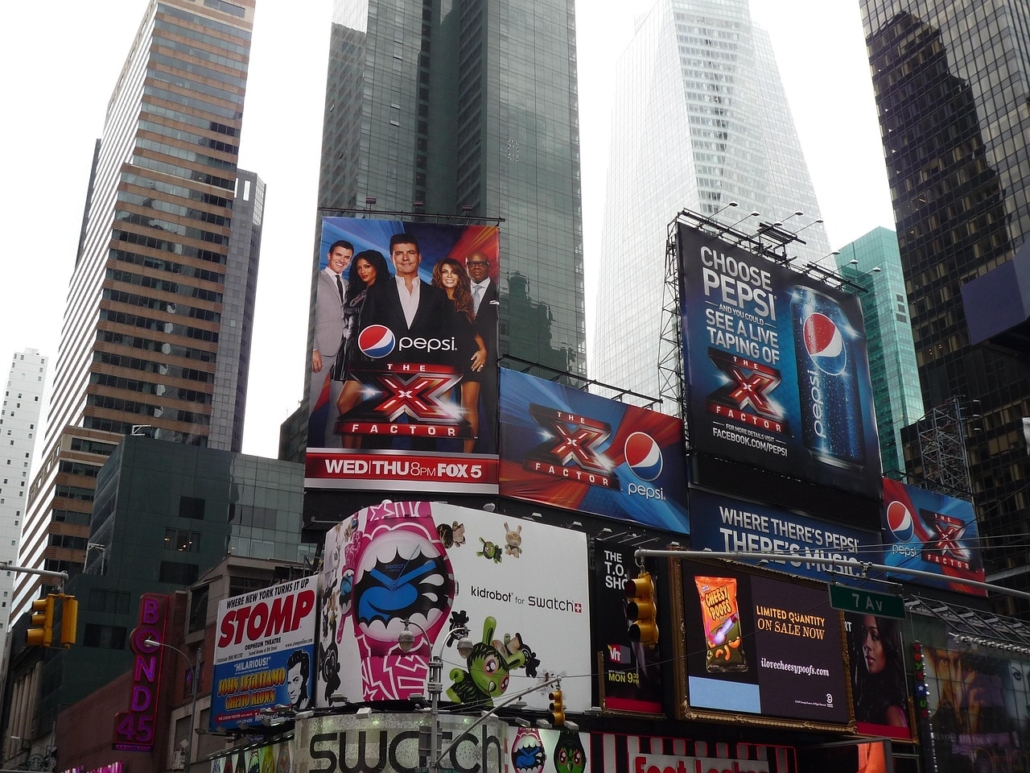
The ambitious $5.4 billion proposal to bring gaming to Times Square has hit a major roadblock, highlighting the intense regulatory hurdles involved in securing new casino licenses. This rejection by the community advisory committee (CAC) effectively stalls the pursuit of the necessary casino licenses required for Caesars Palace Times Square, a project that once aimed to transform New York’s famed theater district into a premier gambling destination.
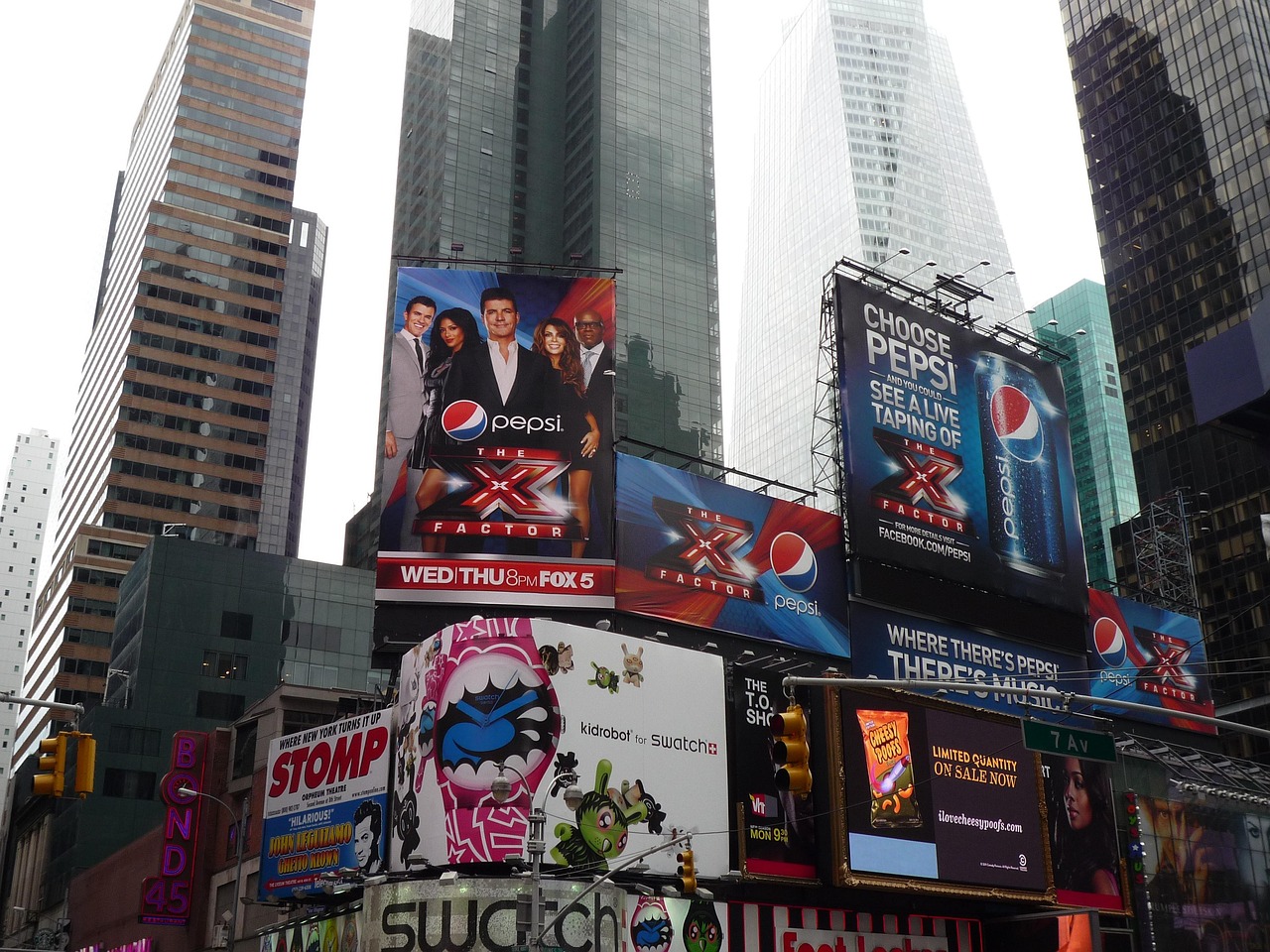
This multifaceted consortium included Caesars Entertainment, real estate developer SL Green, and Roc Nation, spearheaded by hip-hop icon Jay-Z. While some local business owners and union leaders supported the initiative, substantial pushback came from community organisations and theatre enthusiasts, who feared it would tarnish the cultural and historical significance of Broadway.
“This was a vote to protect the magic of Broadway for the one hundred thousand New Yorkers who depend on it for their livelihoods and for the tens of millions who come from around the world to experience it,” stated Jason Laks, President of the Broadway League.
Despite the announcement of investment commitments, such as $250 million allocated for community services, public safety, and healthcare, the proposal failed to win over key stakeholders and was ultimately scuttled. Previous estimates predicted the casino could generate up to $7 billion in tax revenue and provide approximately 3,800 permanent jobs alongside 3,000 construction roles.
Community Sentiment Against Casino Plans
A recent poll from the No Times Square Casino Coalition revealed that nearly two-thirds of local residents opposed the establishment of a casino in their neighborhood, and 64% expressed concerns over supporting any politicians who endorsed the proposal. It was noted that opposition was particularly strong among women and seniors, who are highly active in the voting process.
The rejection of this proposal underscores a growing sentiment among New Yorkers who value their cultural landscape. While the allure of economic benefits and job creation is enticing, it appears that the potential displacement of local culture and history was too high a cost for many to support this initiative.
The Race for New York’s Casino Licenses
The failure of the Caesars Times Square Casino leaves a significant void in the competition for casino licenses in New York City. Previously, major players like Las Vegas Sands and Wynn Resorts withdrew their bids before reaching this stage.
Current contenders in the race include MGM Resorts International, looking to enhance its Empire City Casino in Yonkers, and Hard Rock International, which is pursuing a proposal for a casino hotel in Queens. These two operators, along with Genting, which manages Resorts World New York City, are viewed as frontrunners for the upcoming three downstate gaming licenses.
Conclusion
The rejection of the Caesars Times Square Casino proposal is not just a setback for the consortium involved; it also reflects a broader community desire to preserve the iconic essence of Broadway and its surrounding areas. As stakeholders and residents continue to engage in these discussions, the outcome will significantly shape the future of gaming in New York.