


Maine Tribes Advocate for Exclusive Online Casino Rights | 10BET
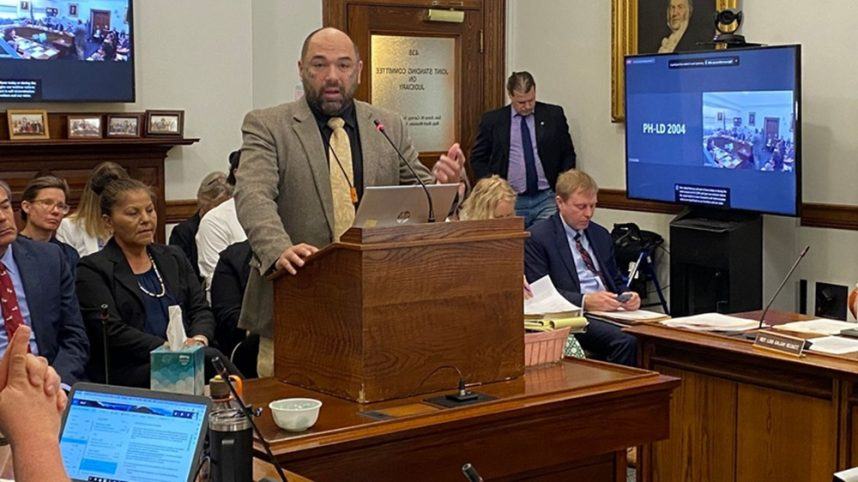
Maine Tribes Seek Exclusive Online Casino and Poker Rights
Maine’s federally recognized tribes are aggressively advocating for exclusive rights to operate an online casino, a move that could dramatically expand their economic opportunities and digital footprint. This push to enter the virtual betting market is met with significant resistance from traditional commercial casinos, who argue that the rise of a competitive online casino landscape could undermine their physical revenues and long-term stability.

The Proposed Legislation
The bill aims to grant the four recognized tribes of Maine the rights to provide online poker and casino table games. This legislative initiative is seen as a critical step towards rectifying economic disparities faced by tribal communities.
Economic Opportunities for the Wabanaki Confederation
The proposed legislation, known as HP 769, strives to empower the Wabanaki Confederation, which includes the Penobscot Nation, the Passamaquoddy Tribe, and others. Currently, the tribes are limited in their gaming capabilities due to restrictions imposed by historical treaties.
- Prior Gaming Legislation: In 2022, the state granted tribes exclusivity with mobile sports betting, a move aimed at leveling the playing field.
- Difficulties in Expansion: Previous attempts to pass similar tribal online casino legislation faced challenges, reflecting a slow but evolving dialogue on tribes’ rights.
Concerns of Commercial Casinos
In opposition, Maine’s commercial casinos assert that allowing online gaming would lead to a decline in land-based revenues, raising concerns about the overall impact on the state’s economy. Casinos have contributed approximately $70.1 million in taxes in 2023 to Maine’s funds.
State Revenue Considerations
The proposed bill mandates that tribes pay 16% of their gaming revenues to the state, with funds directed towards gambling addiction initiatives and veteran support programs.
Conclusion
The push for online gaming rights by Maine tribes highlights the ongoing struggle for economic equity within the gaming industry. By addressing historical disadvantages, this legislation aims to create a fairer gaming landscape, though the opposition from commercial casinos may present challenges ahead.