


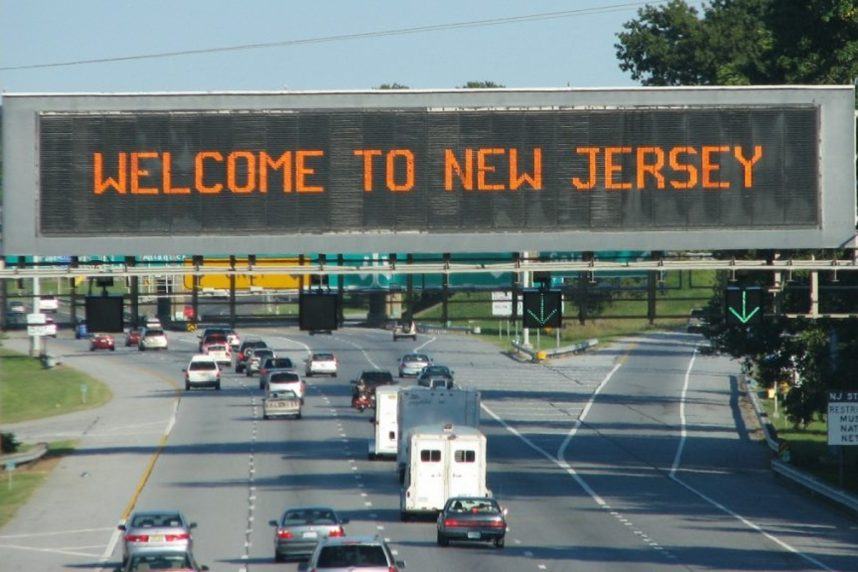
New Jersey Gaming Enforcement Halts NCAA Sports Betting Contracts
New Jersey Gaming Enforcement Halts NCAA Sports Betting Contracts
Regulatory actions have taken center stage in New Jersey as the state’s Division of Gaming Enforcement (NJDGE) issued cease-and-desist letters to Robinhood Markets and its partner Kalshi regarding their proposed event contracts for the NCAA basketball tournaments. This move highlights the strict oversight applied to any platform attempting to offer wagering-style products, ensuring that all forms of sports betting remain within the legal frameworks established for traditional gaming operators.
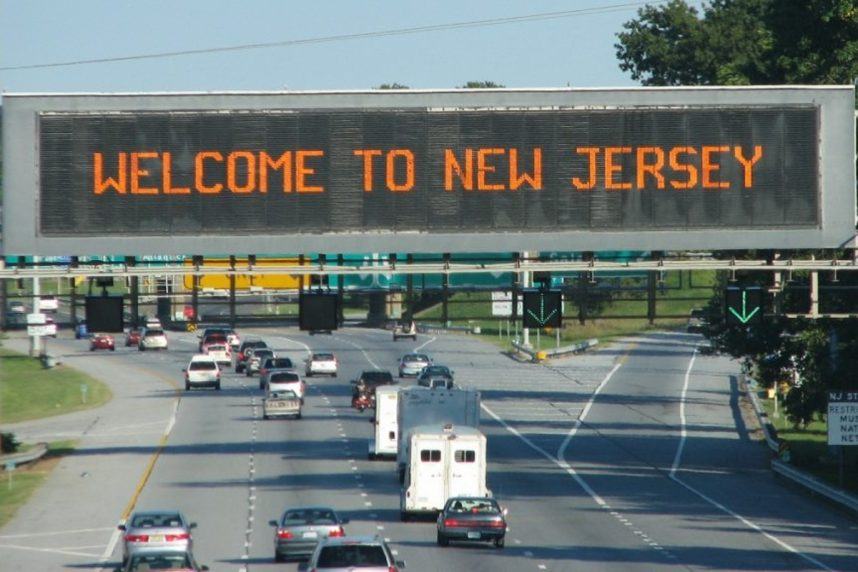
Less than two weeks ago, Robinhood announced its partnership with Kalshi to allow bettors to wager on the outcome of March Madness games through “yes” and “no” contracts, just days ahead of one of the busiest weekends for college basketball wagering. As some Sweet 16 games are set to transpire, NJDGE’s intervention has raised questions regarding the legality of such offers.
In the letters sent to Robinhood CEO Vlad Tenev and Kalshi CEO Tarek Mansour, NJDGE Interim Chair Mary Jo Flaherty elaborated that these contracts are in violation of the New Jersey Sports Wagering Act, specifically pointing out that Kalshi has been conducting unauthorized sports betting on college events happening within the state.
The legal stipulation states that “wagering shall not be permitted on college sports or athletic events taking place in New Jersey, nor on events involving any New Jersey college teams, regardless of the event’s location,” making the current operations of both companies illegal.
This situation is particularly relevant as the Prudential Center in Newark is scheduled to host East Regional games this week, placing further scrutiny on any betting activities surrounding those matches. Robinhood and Kalshi have been requested to respond to these allegations by midnight tonight.
Other States Targeting Robinhood and Kalshi
New Jersey is not alone in addressing these activities. Earlier, the Secretary of State in Massachusetts also prompted an inquiry into the NCAA contracts from Robinhood and Kalshi, labeling the offerings as gimmicky and a potential distraction from prudent investment strategies.
In addition, the Nevada Gaming Control Board (NGCB) recently instructed Kalshi to halt its operations within the state due to regulatory concerns. Although this directive was not directly related to college basketball contracts, it highlights the growing regulatory pressures faced by Kalshi, as their derivatives and event contracts fall under scrutiny.
Regulators in New Jersey and Nevada, being two of the largest sports wagering markets in the U.S., are acting primarily to defend traditional sportsbook operators from potential competition and exploitation from new market players like Kalshi and Robinhood.
Potential Developments in Washington State
Meanwhile, Washington State may also be gearing up to take similar regulatory actions. A representative from the Washington State Gambling Commission has stated an interest in examining such “prediction markets,” suggesting an inquiry might be on the horizon. Although sports betting is allowed in Washington, it is restricted to tribal casinos.
This evolving landscape indicates a growing risk to firms attempting to navigate the murky waters of event betting contracts, especially as more states harmonize their laws with protections for established gaming operators.
Conclusion
In summary, New Jersey’s regulatory crackdown on Robinhood and Kalshi highlights the complexities of the current sports wagering landscape. With significant penalties for unauthorized betting and an increasing number of states investigating the agility of new wagers, companies must tread carefully to navigate potential legal repercussions.